
KEKROS HONEY from beautiful Nature of Ethiopia
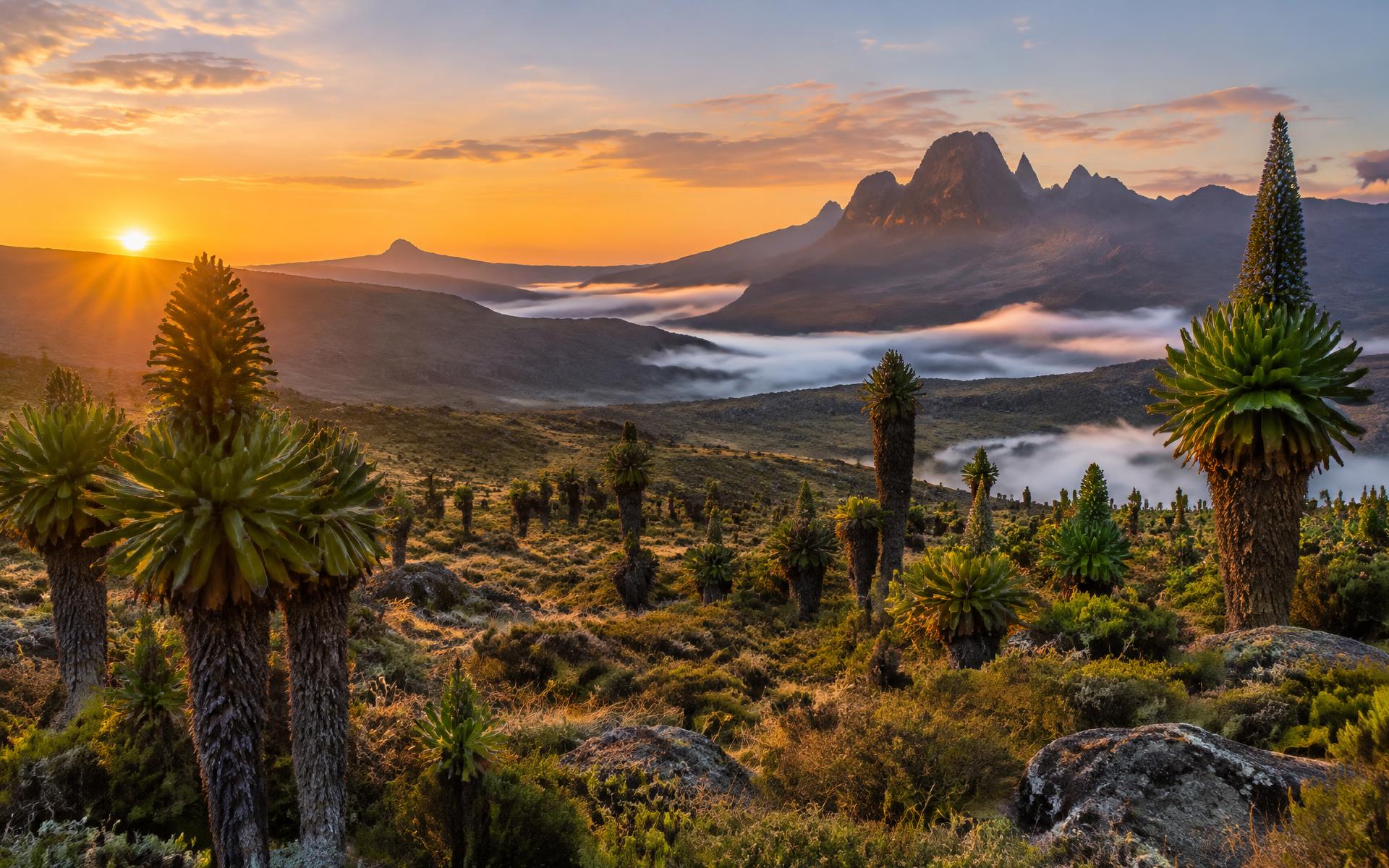
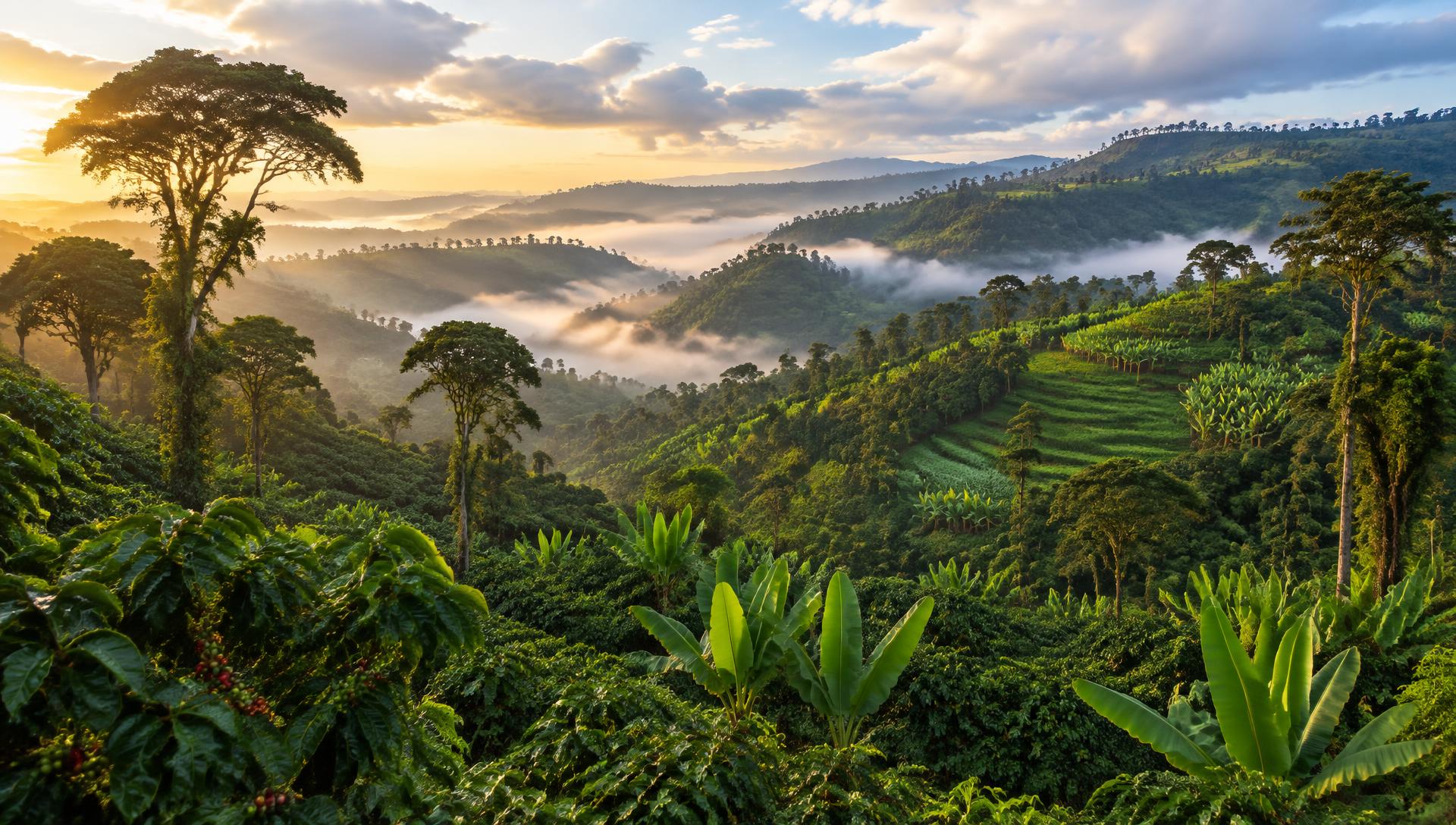
Where exceptional honey begins — with the landscape.
We have established a portfolio of six investment sites across two of Ethiopia's ecologically important regions — developing responsible apiculture that works with the natural environment, not against it.
Our vision
Healthy bees depend on healthy landscapes.
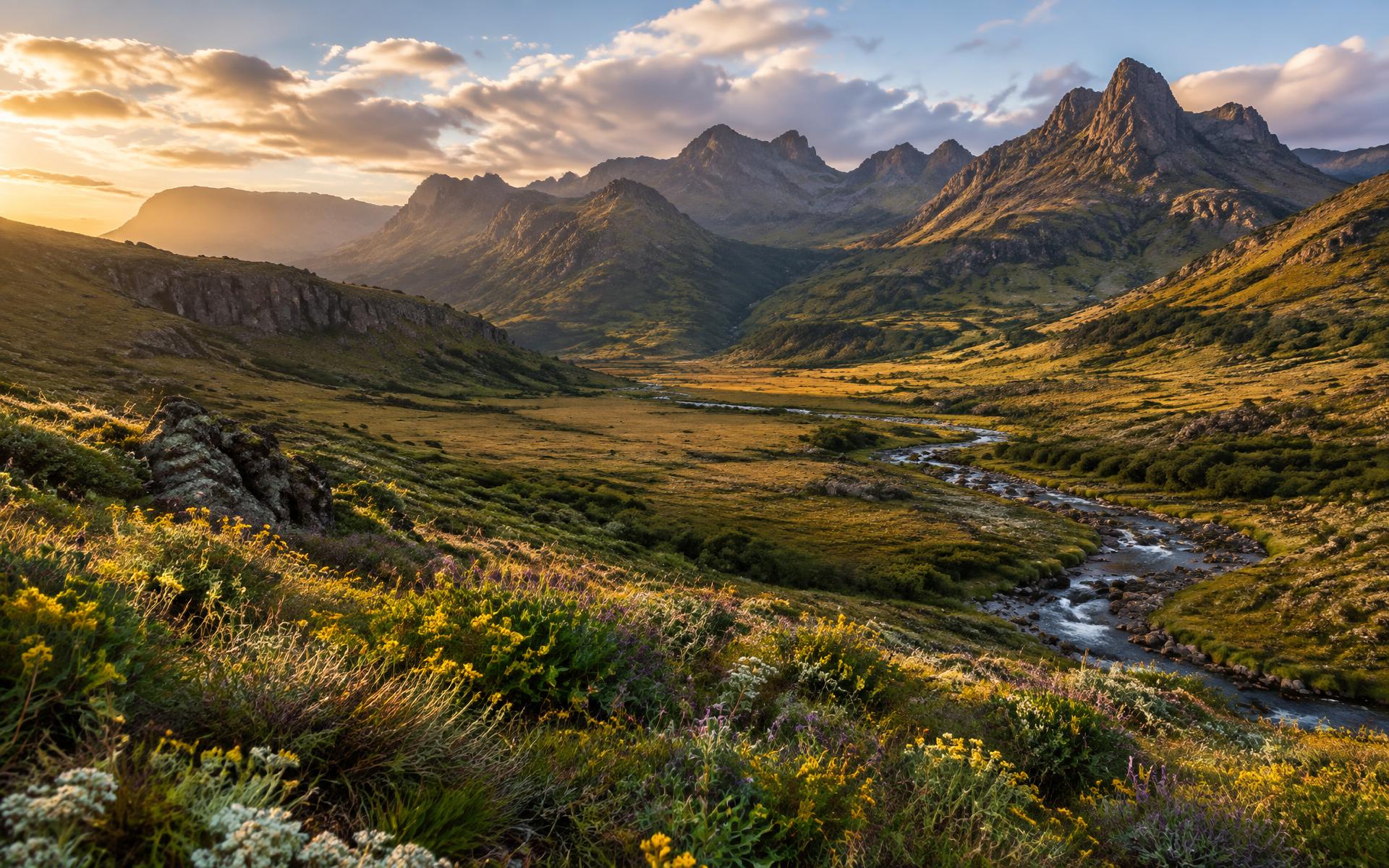
Rather than viewing beekeeping simply as the production of honey, we see each site as part of a larger ecological system. Our locations sit in and around landscapes characterized by highland agriculture, forests, coffee systems, indigenous vegetation and flowering plants.
The objective is to develop responsible apiculture that works with the natural environment — using the diversity of Ethiopian flora as the foundation for strong bee colonies, distinctive honey and long-term land stewardship.
The portfolio
Six sites. Two regions. One vision.
Oromia · Ethiopia
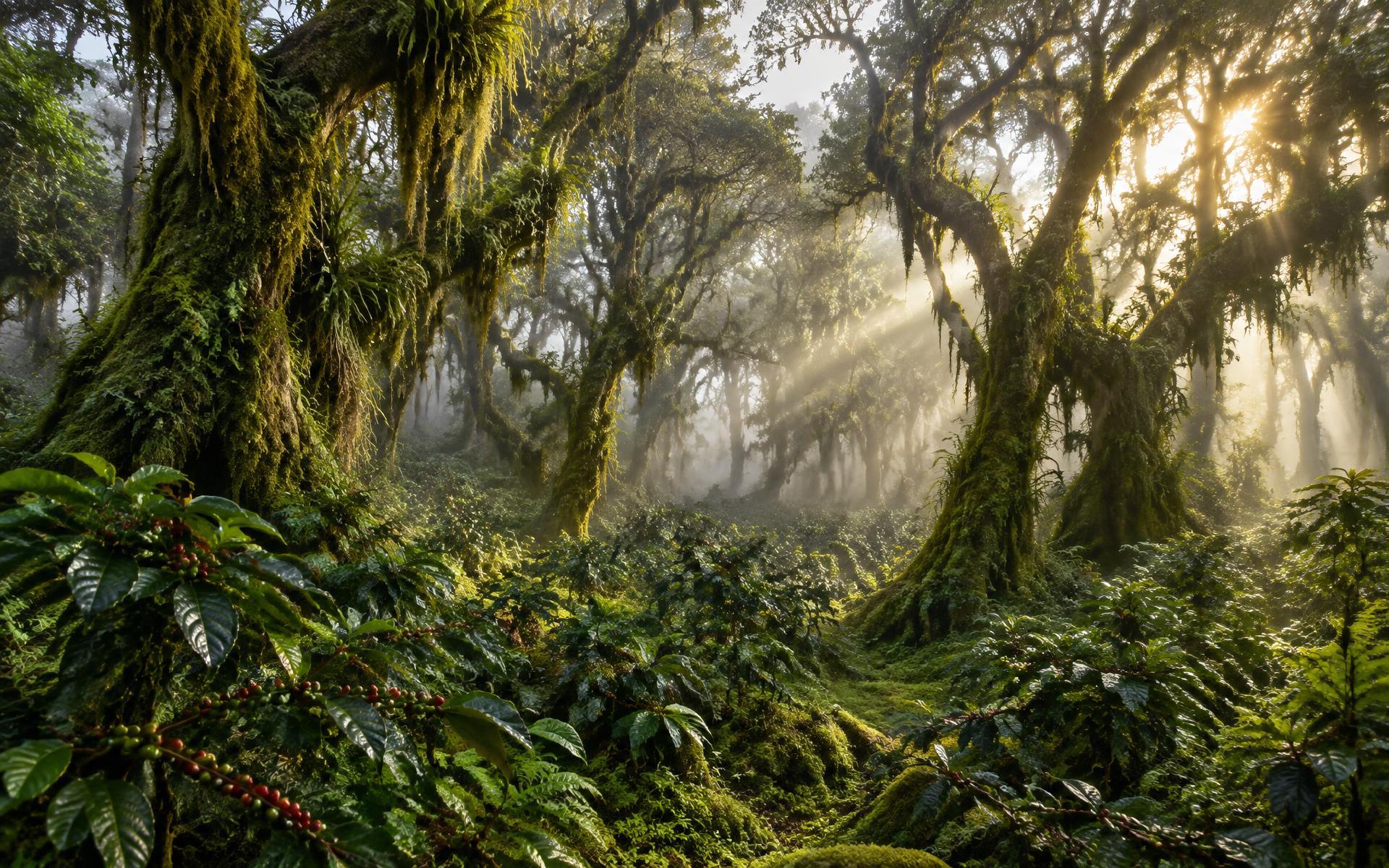
Southwestern Oromia is renowned for coffee production, forest ecosystems and exceptional plant diversity — including some of the world's most important natural habitats for wild Coffea arabica.
Sidama · Ethiopia
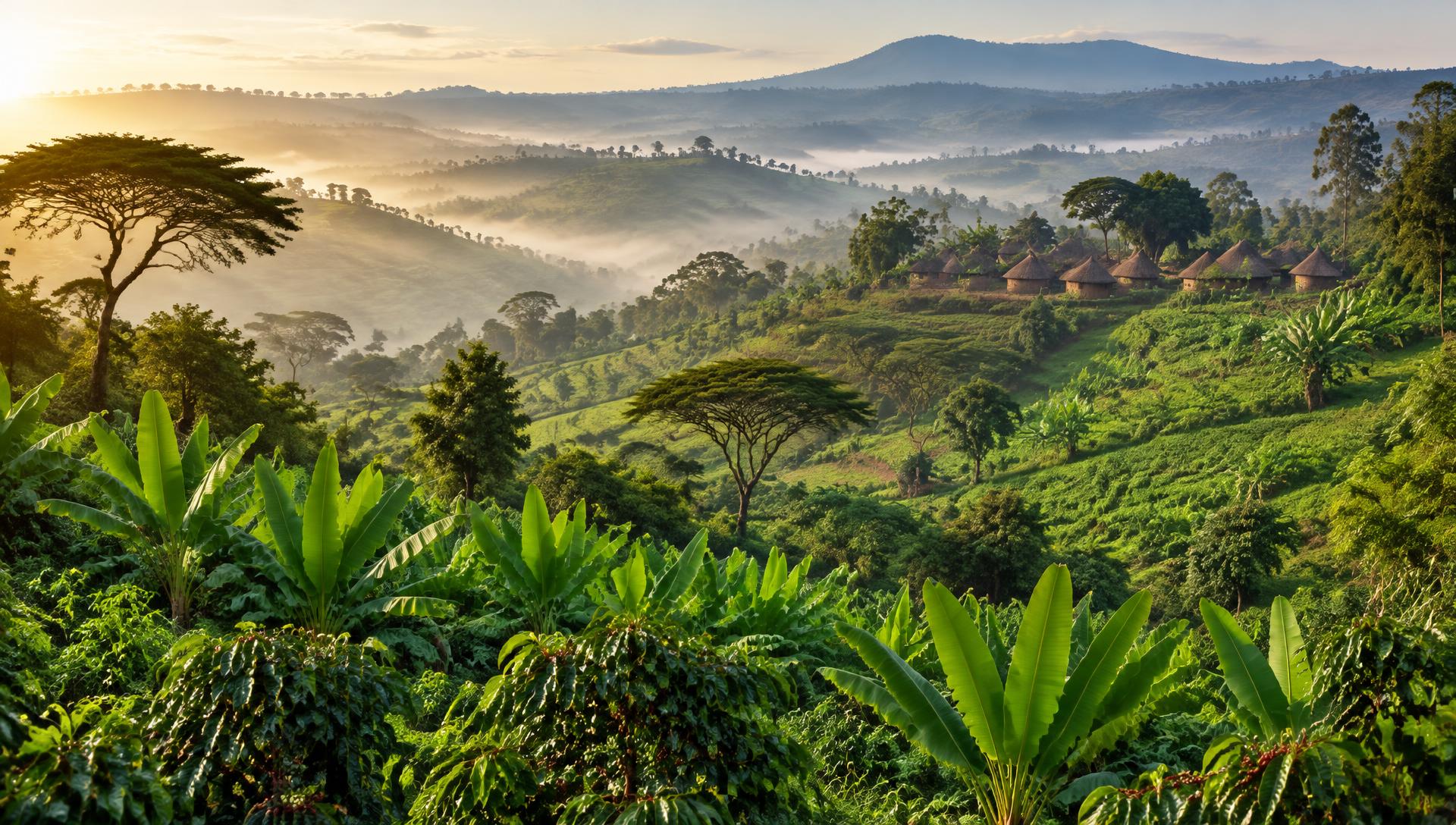
A landscape of highland agriculture and agroforestry. Sidama extends from warm, drier lowland environments to cooler, humid highlands — with coffee and enset as anchor crops of many farming landscapes.
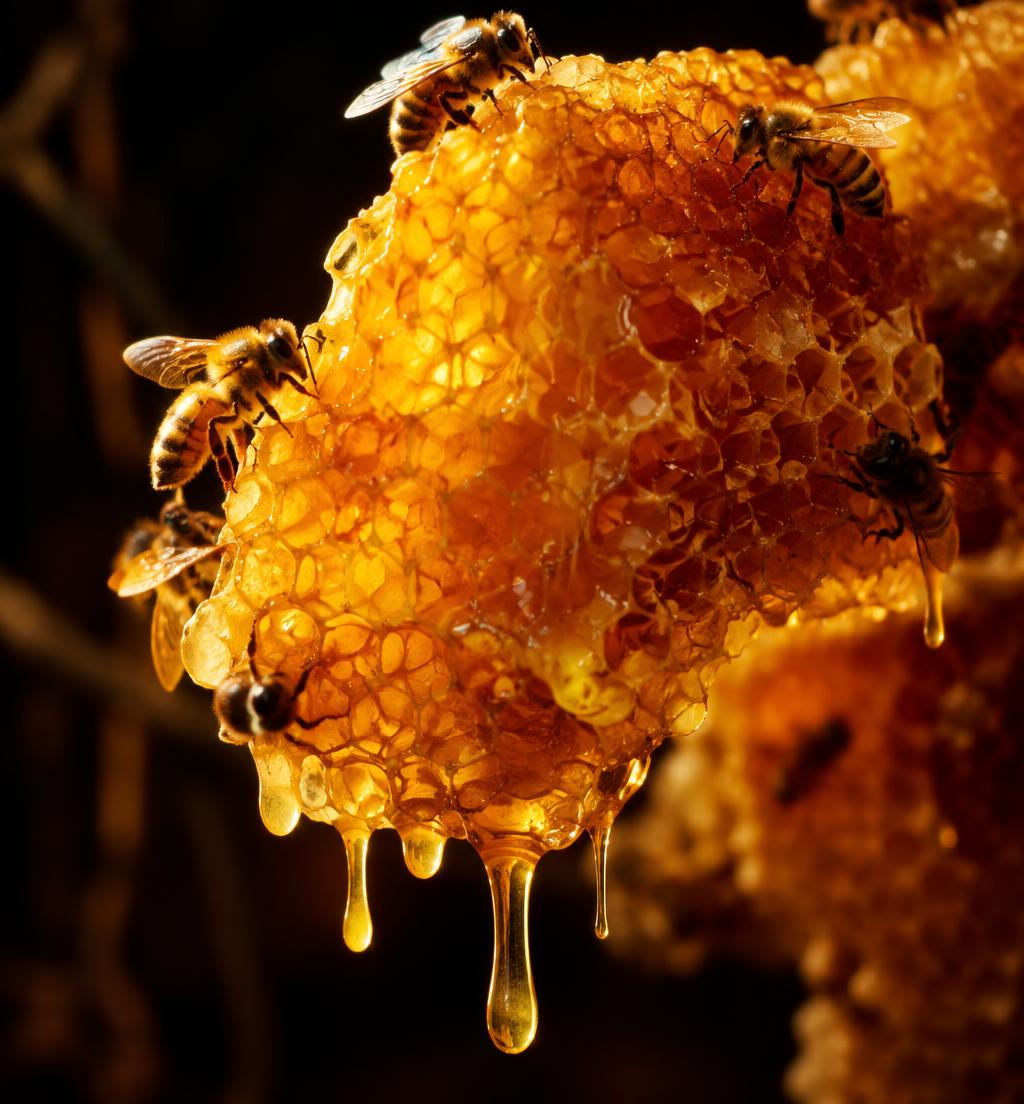
Flora & bee forage
Every site is a floral landscape.
Bees do not depend on a single crop. They benefit from a succession of flowering trees, shrubs, herbs, crops and wild plants throughout the year. In Jimma Zone alone, a 2023 study identified 141 pollen and nectar-source honeybee plant species across 62 plant families.
Our approach is to understand each site as a floral landscape, rather than simply as a parcel of land.
Coffee & bees
Two Ethiopian natural assets, one landscape.
Southwestern Ethiopian forests are among the world's most important natural habitats for wild Arabica coffee. The same coffee-forest ecosystems provide diverse resources for honeybees — making the relationship between coffee and honey a defining element of our project.
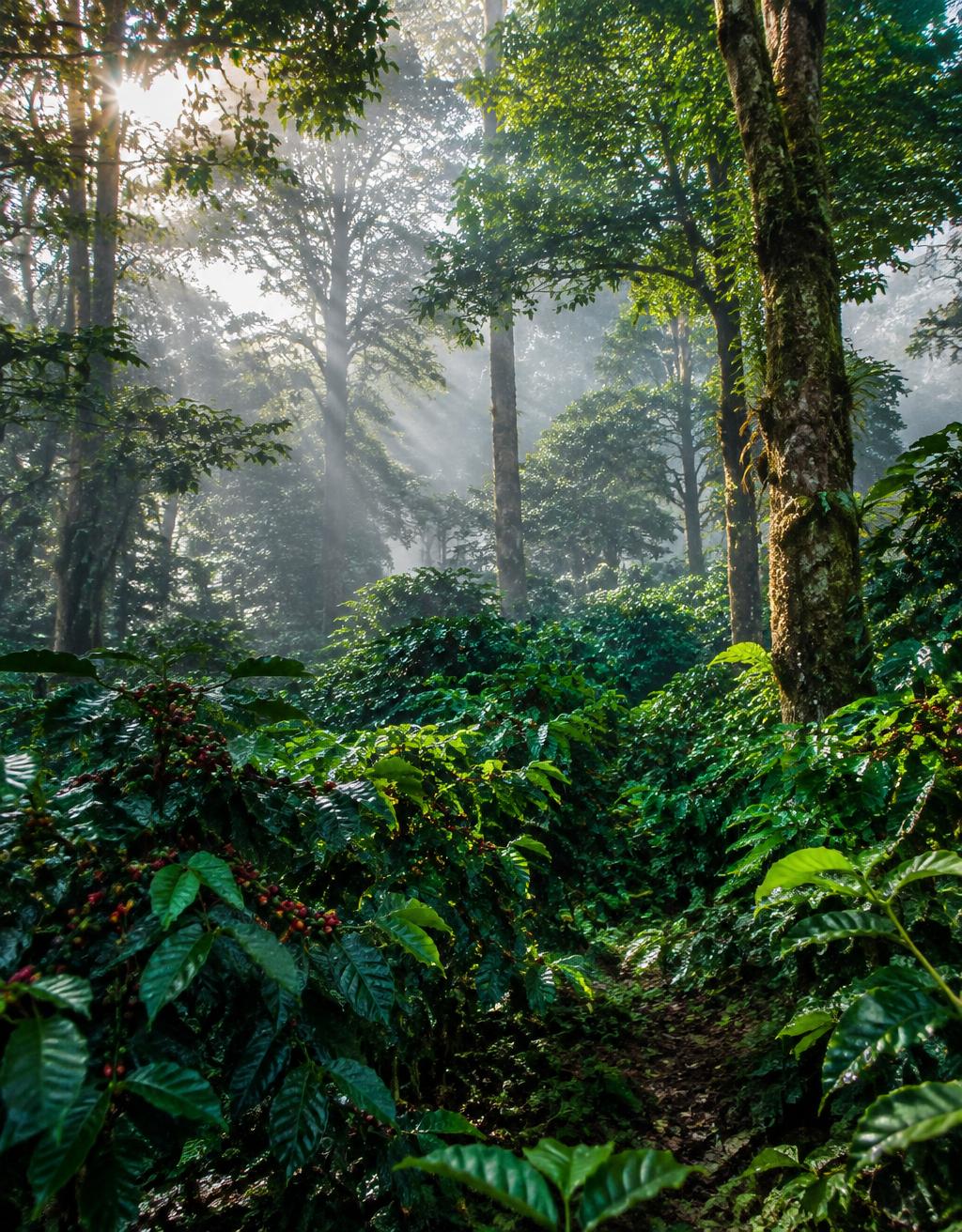
"The quality of honey begins with the quality of the landscape."
Ethiopian land · Ethiopian flora · Ethiopian bees · Ethiopian honey
Begin the journey