
Darra Otilcho
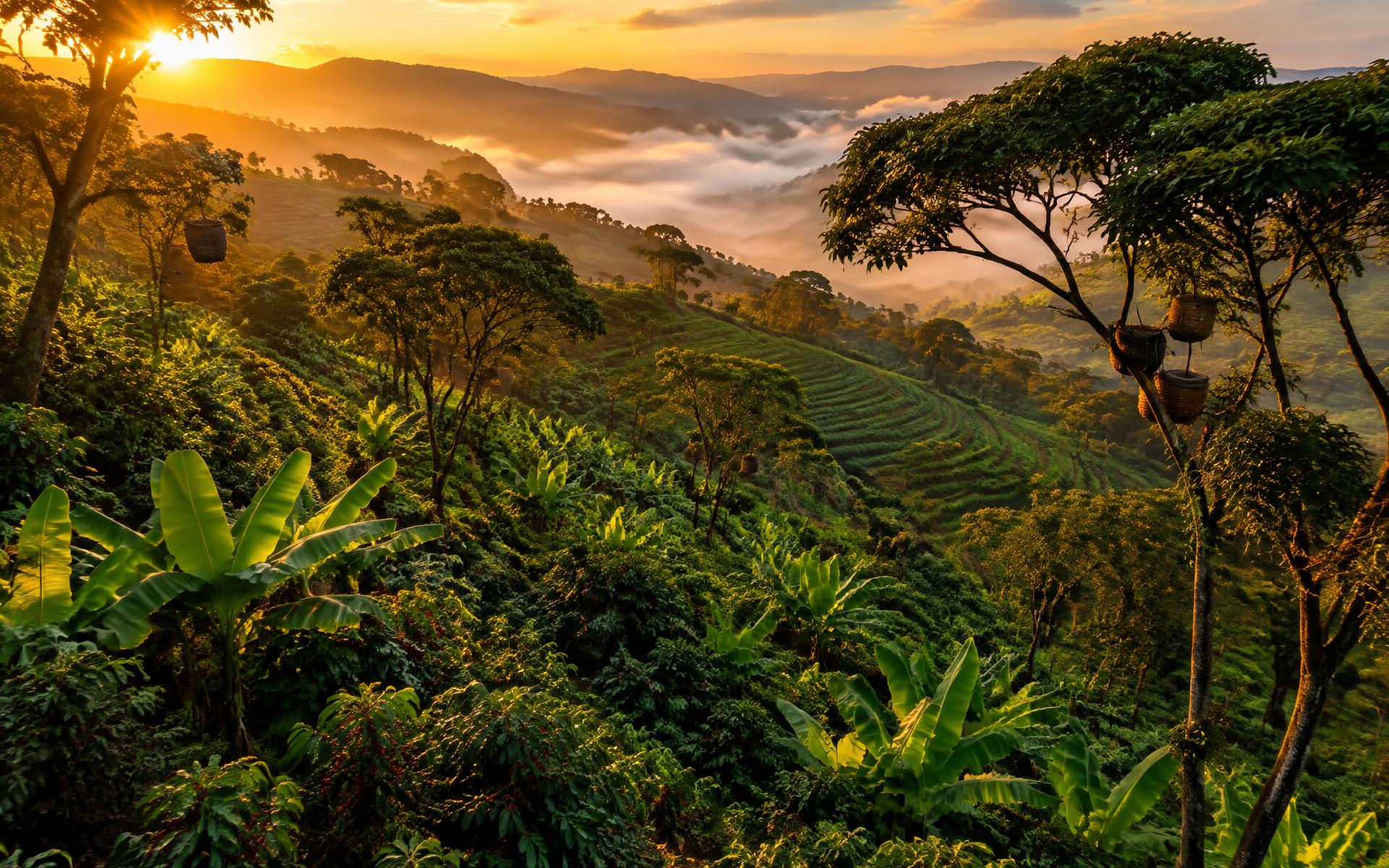
An agroforestry landscape where agriculture, trees and flowering vegetation can support integrated beekeeping.
Darra Otilcho represents one of our Sidama investment locations. The surrounding Sidama landscape is characterized by smallholder agriculture and agroforestry, where cultivated crops coexist with trees, gardens and other vegetation.
For a beekeeping project, the importance of such a landscape lies not only in the individual flowering plants but in the combination of flowering resources available across the wider area.
Site profile
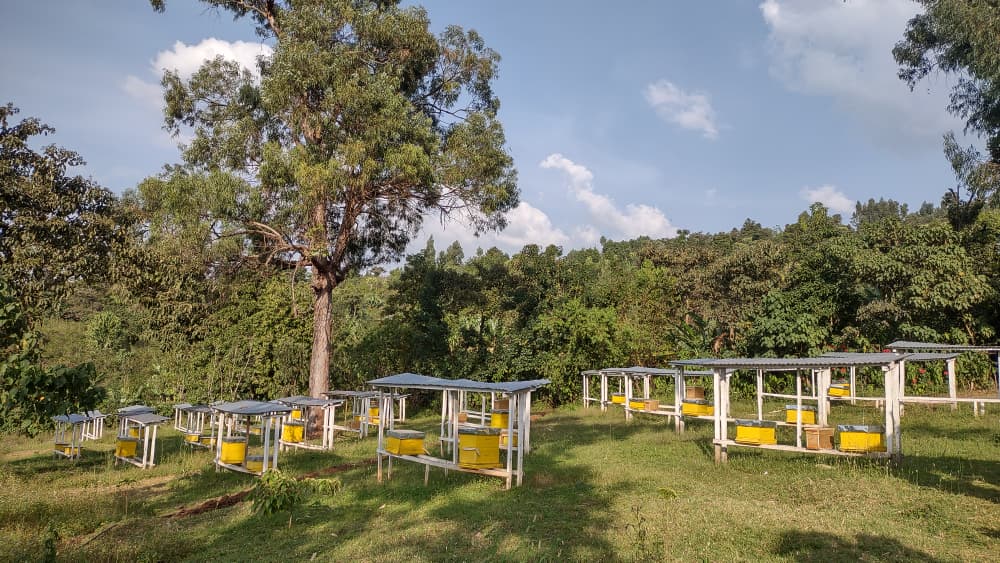
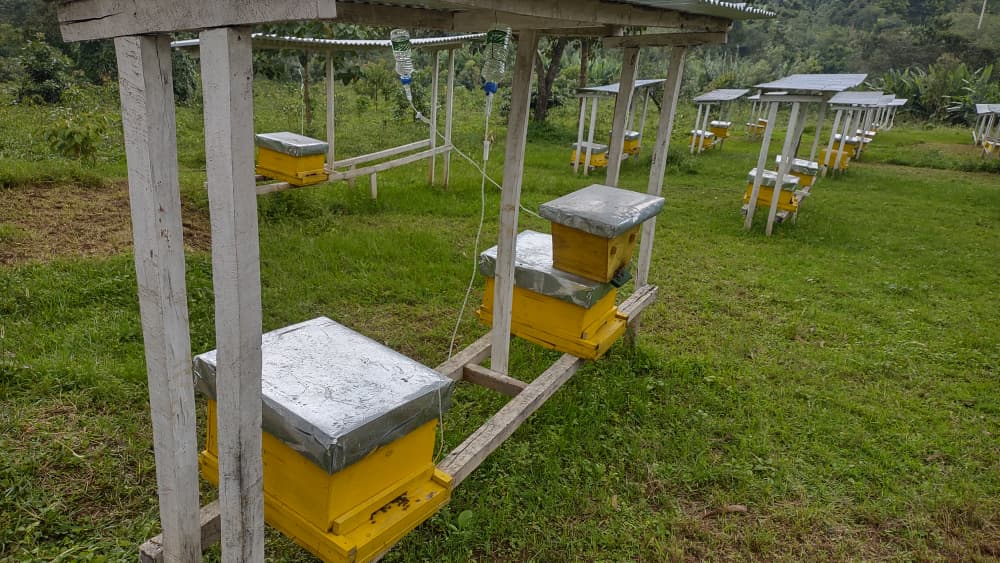
The landscape behind the hives.
- Landscape
- Vegetation
- Coffee (Coffea arabica)
- Enset
- Maize, barley, wheat & oats
- Sorghum & millet
- Sugar cane
- Potatoes & vegetables
- Shade trees & garden vegetation
- Natural and semi-natural vegetation
- Bee flora
- Coffee blossoms in the wider forage environment
- Flowering trees and shrubs across farm boundaries
- Herbaceous vegetation between plots
- Regional forage documented for Sidama: Eucalyptus, Guizotia, Vernonia, Acacia, Brassica and clover
- Beekeeping potential
- Nectar and pollen resources across the wider landscape
- Shade, shelter and water access for apiary areas
- Diverse flowering periods through the season
- Natural vegetation around apiary areas
- Habitat for pollinators beyond the hive
Location & elevation
GPS coordinates, elevation and further site photographs are being collected as part of our field documentation programme and will be published here.
Our vision for Darra Otilcho
A landscape-first apiary.
We see Darra Otilcho as a location where beekeeping can be developed alongside the existing agricultural landscape. Instead of clearing vegetation around apiaries, our philosophy is to identify useful flowering plants and preserve or strengthen them wherever practical.
The result can be a more resilient relationship between bees, plants, agriculture, biodiversity and honey.