
Gera
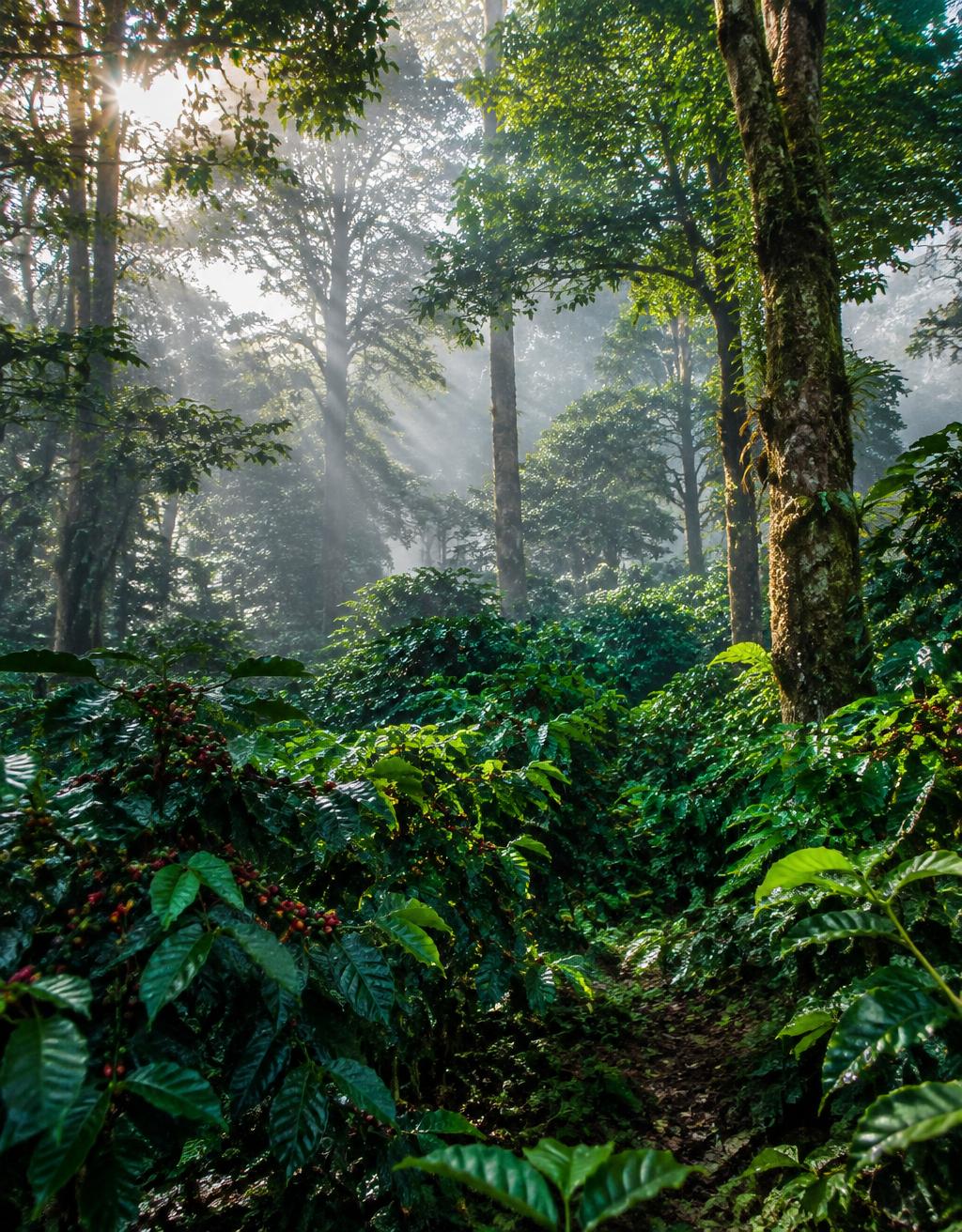
A forest-coffee environment with documented exceptional bee-flora diversity and strong scientific relevance to Ethiopian apiculture.
Gera is one of the most scientifically documented locations in our portfolio. Gera Forest is recognized as an important forest landscape for the conservation of wild Arabica coffee and is also considered a potential area for beekeeping.
Research in Gera has documented extensive bee-flora diversity: one study identified 60 bee-flora species, including 30 tree species, 21 shrub species and 9 woody liana species. The research also compared forest coffee and semi-forest coffee systems and found differences in bee-flora diversity and honey production.
Site profile
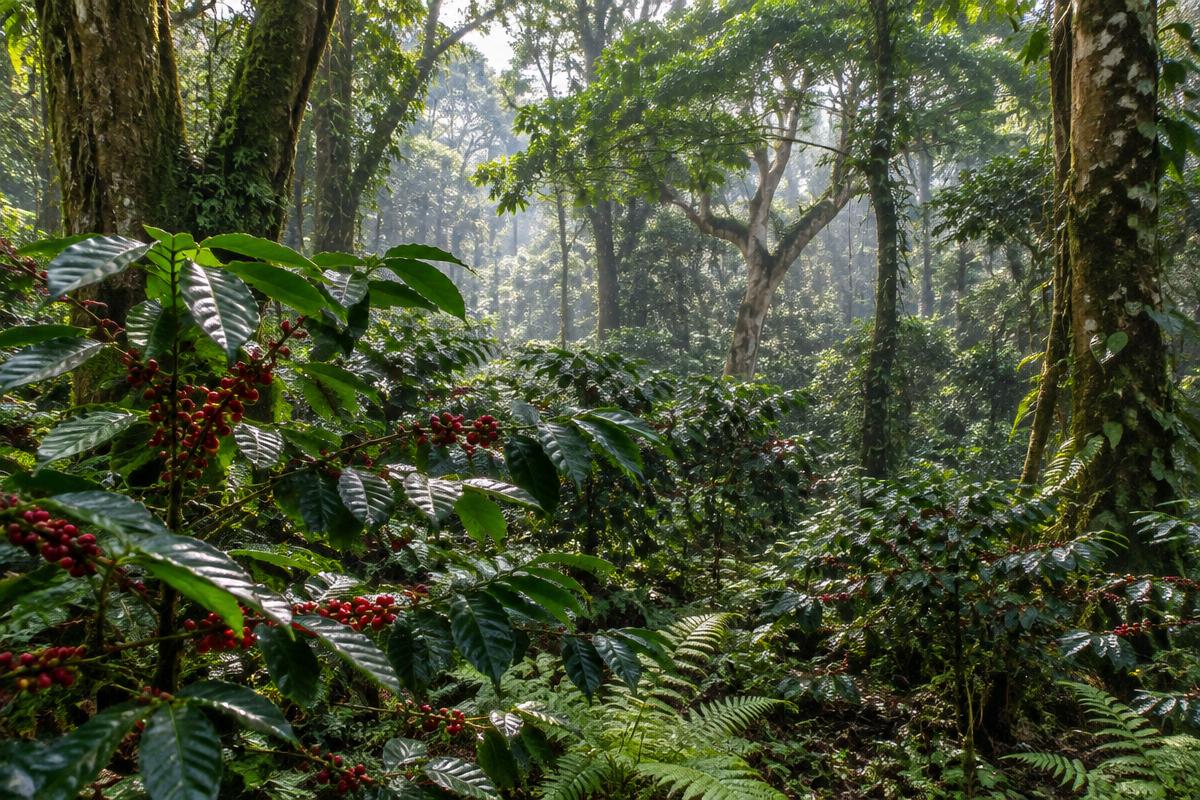
The landscape behind the hives.
- Landscape
- Vegetation
- Syzygium guineense
- Olea welwitschii
- Schefflera abyssinica
- Albizia gummifera
- Croton macrostachyus
- Millettia ferruginea
- Coffea arabica in the forest understory
- Bee flora
- 60 documented bee-flora species
- 30 tree species
- 21 shrub species
- 9 woody liana species
- Flowering plants occurring at different times of the year, potentially supporting multiple honey-production periods
- Beekeeping potential
- Forest conservation combined with responsible apiculture
- Multiple potential honey-production periods across the year
- A flagship model site backed by regional research
Location & elevation
GPS coordinates, elevation and further site photographs are being collected as part of our field documentation programme and will be published here.
Our vision for Gera
A landscape-first apiary.
Our objective is not simply to place hives in a forest environment. We want to develop a model in which forest conservation, the coffee landscape, bee forage and responsible apiculture work together.
Gera can become a flagship site for this approach.